
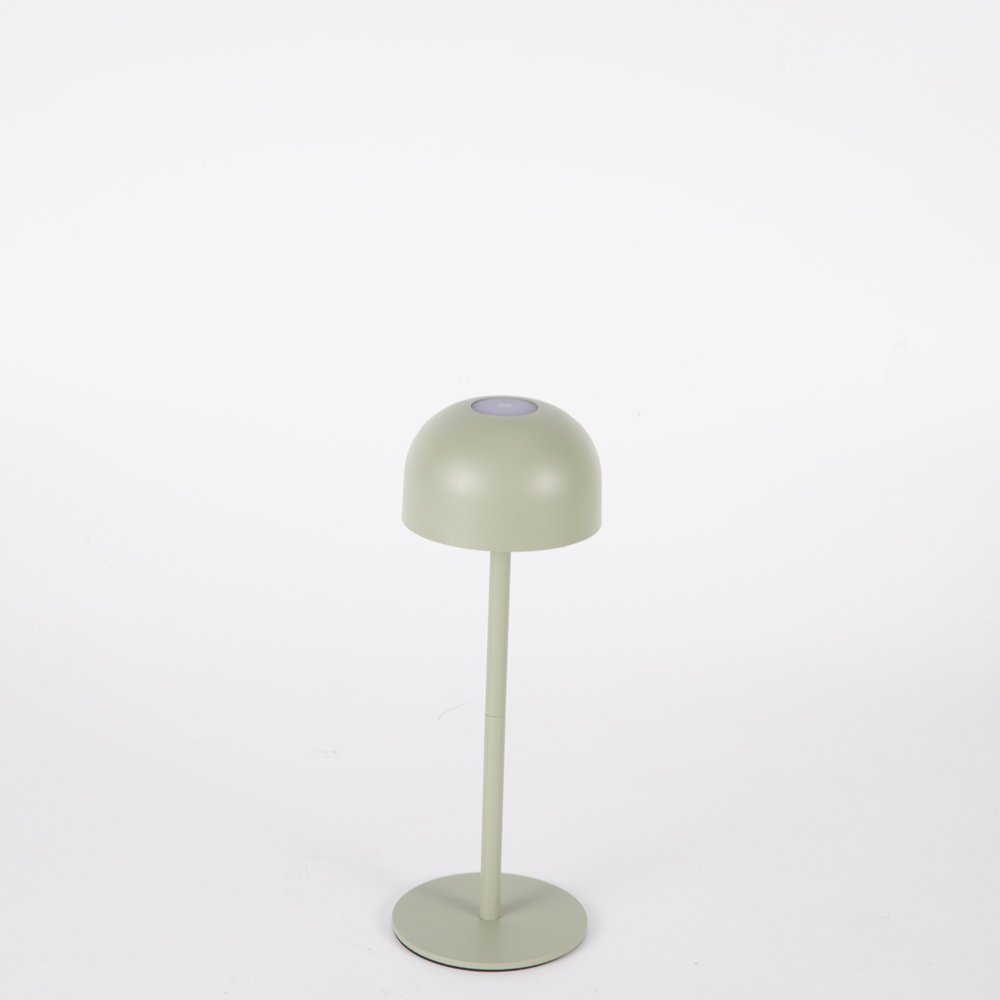
MN Series3 RFQs: Request the Overall-Size Drawing
An MN Series3 enquiry should request an overall-size drawing for the actual offered lamp. The catalogue card and photograph identify a domed lamp head, a slender stem and a round base, but a picture without a dimensional reference cannot establish the complete assembly’s height or footprint. Ask the manufacturer to state the applicable model, assembly condition and measuring references in its drawing.
Separate MN Series3 catalogue model; request its own supplier-confirmed specification rather than transferring BL001 options.
Identify the offered MN Series3 assembly
Kaiyao Lighting presents MN Series3 as a related catalogue product, with a Floor Lamp Series card label and a distinct lamp image. This gives the buyer a specific reference for an enquiry. The label and apparent proportions of the image do not provide a numerical size or settle how the manufacturer identifies every offered version.
Ask the supplier to name the exact assembly being quoted and the model or sample reference used for it. If the manufacturer proposes more than one version, give each a separate row. Keep the actual offered form clear before comparing overall dimensions or deciding whether one drawing applies to several proposals.
Request a defined assembly condition and view
A useful drawing identifies what is assembled and the condition represented. Ask the manufacturer whether the dimensions describe the complete offered lamp or another clearly identified state. Where the supplier proposes an alternative assembly or position, request its corresponding reference instead of assuming that the same measurements apply.
Ask for labelled views that make the height and horizontal extent understandable. The manufacturer should state the relevant reference points and units. A side or front view may answer a different question from a base or plan view, so retain the labels used in the supplier response. Do not estimate a size by comparing the lamp with an unrelated product picture.
Actual BL001-L/S product reference; the pictured size or light colour does not map either lamp to a particular battery capacity.
Separate height, head envelope and base footprint
Request overall height as a distinct field from the lamp-head envelope and the base footprint. The supplier should identify the points used for each dimension and the assembly version covered. A visible circular base does not establish its diameter, and an image of a domed head does not provide its width or vertical extent.
Keep an unprovided dimension open until the manufacturer supplies it. The enquiry can ask which dimensions are relevant to the proposed product without imposing an invented value. If several units or drawing versions have circulated, request one consistent reference so that a purchasing comparison does not mix information from different proposals.
Buying field
Requested supplier response
Assembly identity
Actual MN Series3 model, version and supplier sample or drawing reference.
Represented state
Complete offered assembly or another manufacturer-defined state used for the dimensions.
Overall height
Supplier-defined endpoints, value and unit where provided.
Head and base extent
Separately identified envelope and footprint references, not inferred from the photograph.
Drawing version
Manufacturer document reference, applicable views and later changes linked to the quotation.
Keep catalogue category and dimensional evidence distinct
A catalogue category helps locate a product, while the actual drawing should resolve its dimensional identity. Ask the supplier to confirm the offered configuration rather than infer a floor-standing or tabletop height from the image alone. A clear manufacturer response can identify the intended product reference without the buyer inventing a dimension to match a category label.
Likewise, do not assume an adjustment range or a movable feature from the visible stem and head. If the manufacturer offers more than one defined position, ask it to identify the applicable drawing and dimensions for that proposal. This article requests a product record rather than an instruction for moving or modifying the lamp.
Separate Study Lamp4 catalogue reference; a photograph without an attached lead does not establish the offered power source or included supply components.
Keep the other lamp models out of the size fields
The BL001-L/S glass-lamp and Study Lamp4 photographs show different forms within the same supplier catalogue. They provide context for comparing enquiries, but they are not dimensional references for MN Series3. A stem, base or shade that appears visually similar does not establish a shared size or construction.
Use a separate model-specific drawing for each considered product. Ask the supplier to identify any common dimensions it actually declares instead of transferring measurements from a neighbouring model. This keeps a comparison meaningful while preserving differences that a catalogue photograph may not make obvious.
Close the drawing against the supplier offer
Keep the current drawing, offered model reference and applicable sample together. Describe a dimensional question by the labelled field concerned and request a manufacturer response against the same version. A general request to make the lamp match a picture may leave both the size and the assembly condition unclear.
When the supplier revises a dimension or proposed configuration, request the updated drawing and identify the offer it replaces. Retain any field that remains unavailable. A clear overall-size record supports a purchasing discussion without supplying an invented adjustment range, material specification, electrical value or product-performance guarantee.
Buyer FAQ
Can the photograph establish the lamp’s height?
No. Request the manufacturer’s overall-size drawing with defined reference points and units.
Does a category label supply a size specification?
No. Ask the supplier to identify the actual offered assembly and the dimensional record that applies to it.
Should head and base sizes be one field?
Keep their references separate so that the manufacturer can identify the relevant envelope and footprint.
What should remain with the quotation?
Retain the current drawing, model/version identity, represented assembly state, sample reference and any unresolved dimensions.
Refer to the actual MN Series3 catalogue entry, keep the separate glass-lamp reference distinct, and request the applicable overall-size drawing.
Identify the actual MN Series3 assembly.
Request labelled height, head and base references.
Keep the drawing version with the matching supplier offer.
wholesale floor lampsB2B supplier sample record