
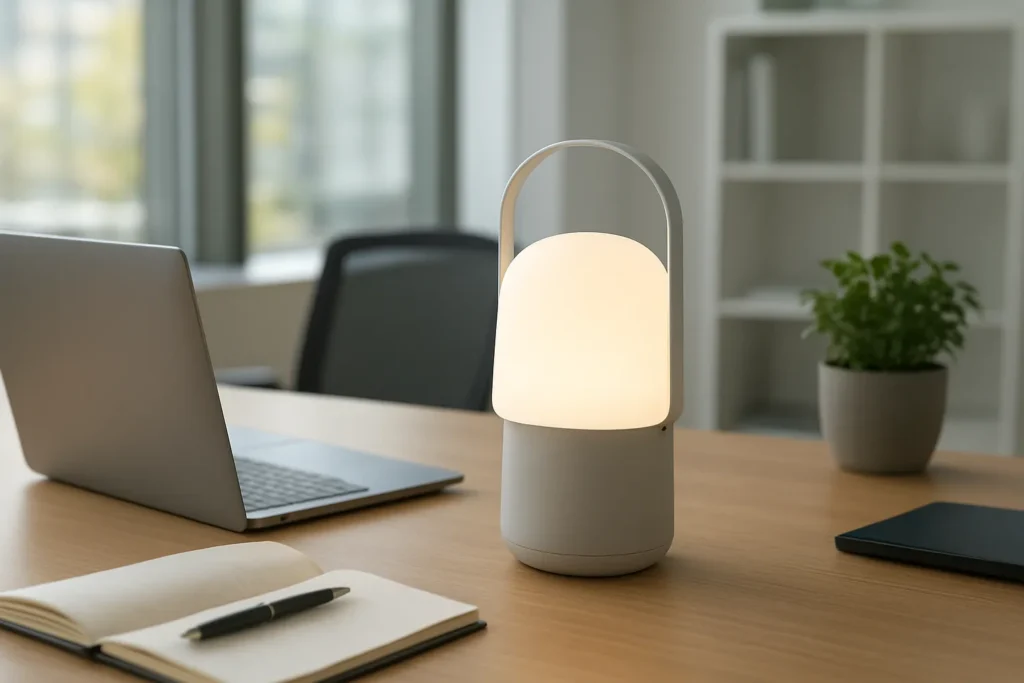
The Benefits of Rechargeable Indoor Lighting for Businesses
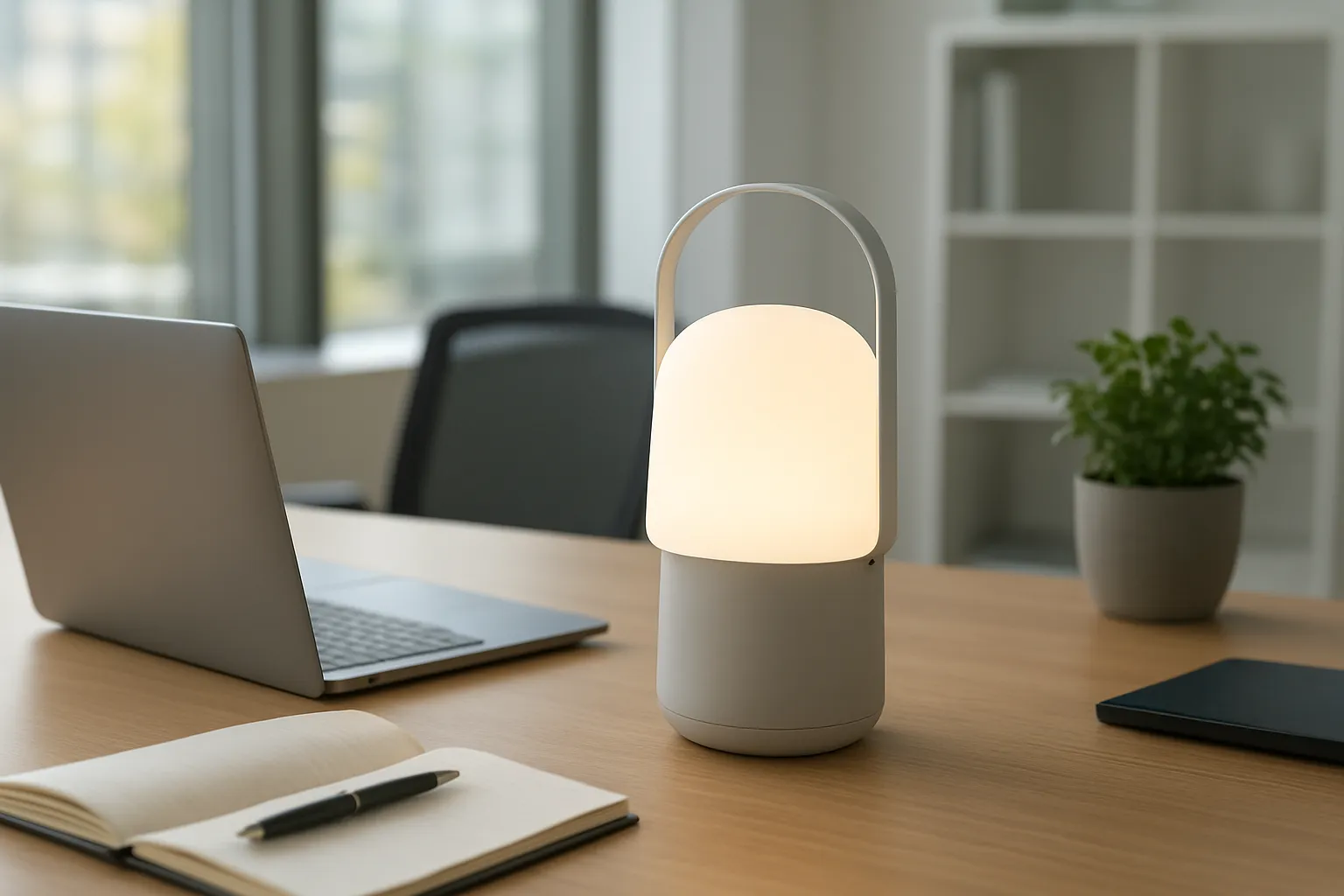
1. Introduction to Rechargeable Indoor Lighting
Rechargeable indoor lighting refers to innovative lighting solutions that use rechargeable batteries. This allows them to operate independently without being plugged into a power source. In my experience, this technology has gained significant popularity in the business sector due to its versatility and convenience. I believe that adopting rechargeable indoor lighting is crucial for businesses today. Not only does it enhance the aesthetic appeal of workspaces, but it also provides a sustainable and cost-effective solution adaptable to various environments and needs.
2. Key Specifications of Rechargeable Indoor Lighting
When evaluating rechargeable indoor lighting, several key specifications should be considered:
Long Battery Life Features
One of the most notable features of rechargeable indoor lighting is its long battery life. Many contemporary rechargeable lights can last anywhere from several hours to days on a single charge, depending on usage and settings. This remarkable longevity ensures that businesses can maintain consistent lighting without frequent interruptions for recharging, which in turn enhances productivity and comfort in the workplace.
High-Quality Lighting Solutions
Rechargeable indoor lighting is also known for delivering high-quality illumination. Thanks to advancements in LED technology, these lights provide bright, consistent lighting that can be adjusted according to the desired ambiance. From what I have seen, this adaptability makes them suitable for various business environments, including offices and retail spaces, where lighting quality can significantly impact customer experience and employee productivity.
Energy Efficiency Ratings
Energy efficiency is another vital specification to consider. Rechargeable indoor lighting typically boasts high energy efficiency ratings, meaning they consume less power compared to traditional lighting options. This efficiency not only reduces electricity costs but also aligns with a business’s sustainability goals, making it an attractive choice for environmentally conscious companies.
3. Use Cases for Rechargeable Indoor Lighting
Rechargeable indoor lighting can be effectively utilized across various business settings:
Office Environments
In office settings, rechargeable lights can boost productivity by providing optimal lighting conditions. They can be used in areas where traditional lighting may not be feasible, such as conference rooms or collaborative spaces that require flexible lighting solutions.
Retail Spaces
For retail businesses, appropriate lighting can significantly influence customer behavior. Rechargeable indoor lighting allows for dynamic displays and can be easily repositioned to highlight products or create specific atmospheres, thus enhancing the overall shopping experience.
Event Venues
Event venues can greatly benefit from rechargeable indoor lighting. These lights can be quickly set up and moved as needed, making them ideal for events that require different lighting setups throughout the day or evening. Their portability and ease of use are invaluable for event organizers.
4. Comparing Rechargeable Indoor Lighting Options
When assessing rechargeable indoor lighting, it’s essential to compare various options:
LED vs. Traditional Lighting
LED rechargeable lights outperform traditional incandescent or fluorescent lighting in numerous aspects. They provide brighter illumination, boast longer lifespans, and are more energy-efficient. While the initial costs may be higher for LED options, the long-term savings on electricity and replacement costs make them a wise investment.
Cost Analysis Over Time
A detailed cost analysis reveals that while rechargeable indoor lighting may require a higher upfront investment, the savings on energy bills and maintenance costs can lead to significant financial benefits over time. Businesses should consider the total cost of ownership, which includes installation, energy consumption, and lifespan.
Performance Metrics
Performance metrics such as lumen output, color rendering index (CRI), and battery life should be evaluated when comparing products. These metrics help businesses select the right lighting solutions that meet their specific needs while ensuring quality and efficiency.
5. Sourcing Rechargeable Indoor Lighting
Finding the right rechargeable indoor lighting involves careful sourcing:
Identifying Reliable Suppliers
Businesses should seek out reputable suppliers with a strong market presence. Researching customer reviews and testimonials can provide valuable insights into the quality of products and the level of service offered. For instance, Kaiyao Lighting is a well-regarded manufacturer known for its high-quality offerings.
Evaluating Product Quality
Not all rechargeable lights are created equal. Evaluating product quality involves examining the materials used, the technology incorporated, and the overall design. High-quality products typically come with certifications that guarantee their performance and safety.
Understanding Warranty and Support
It is crucial to understand the warranty and support provided by suppliers. A robust warranty can offer peace of mind, while accessible customer support can assist businesses in troubleshooting any issues that may arise after purchase.
6. Implementation Strategies for Businesses
Implementing rechargeable indoor lighting effectively requires strategic planning:
Installation Considerations
While installation should be straightforward, businesses must consider the layout of their spaces. Planning where lights will be placed for maximum efficiency and aesthetic appeal is essential.
Maintenance Best Practices
Regular maintenance ensures that rechargeable lights operate at peak performance. This includes routine checks on battery health and ensuring that charging stations are accessible and functional.
Employee Training on Usage
Training employees on how to use and maintain rechargeable indoor lighting is vital. Proper usage can extend the lifespan of the lights and enhance their effectiveness in the workplace.
7. Frequently Asked Questions
How long do rechargeable lights last?
Rechargeable lights can last anywhere from several hours to multiple days, depending on the model and usage conditions.
Are rechargeable lights cost-effective?
Yes, while they may have a higher initial cost, the long-term savings on energy bills and maintenance make them a cost-effective solution.
What are the environmental benefits?
Rechargeable indoor lighting reduces energy consumption and waste, contributing to a lower carbon footprint and promoting sustainability within the business.
Conclusion
Incorporating rechargeable indoor lighting into your business strategy offers numerous benefits, from improved lighting quality to cost savings and environmental sustainability. As businesses seek innovative solutions to enhance efficiency and aesthetics, rechargeable indoor lighting stands out as a practical and forward-thinking choice. By carefully considering specifications, sourcing options, and implementation strategies, businesses can ensure they maximize the advantages of this versatile lighting solution.